just volleyball Block and Dive Guide
Net timing, dive stamina rules, soft blocks, and how to cover after every touch.
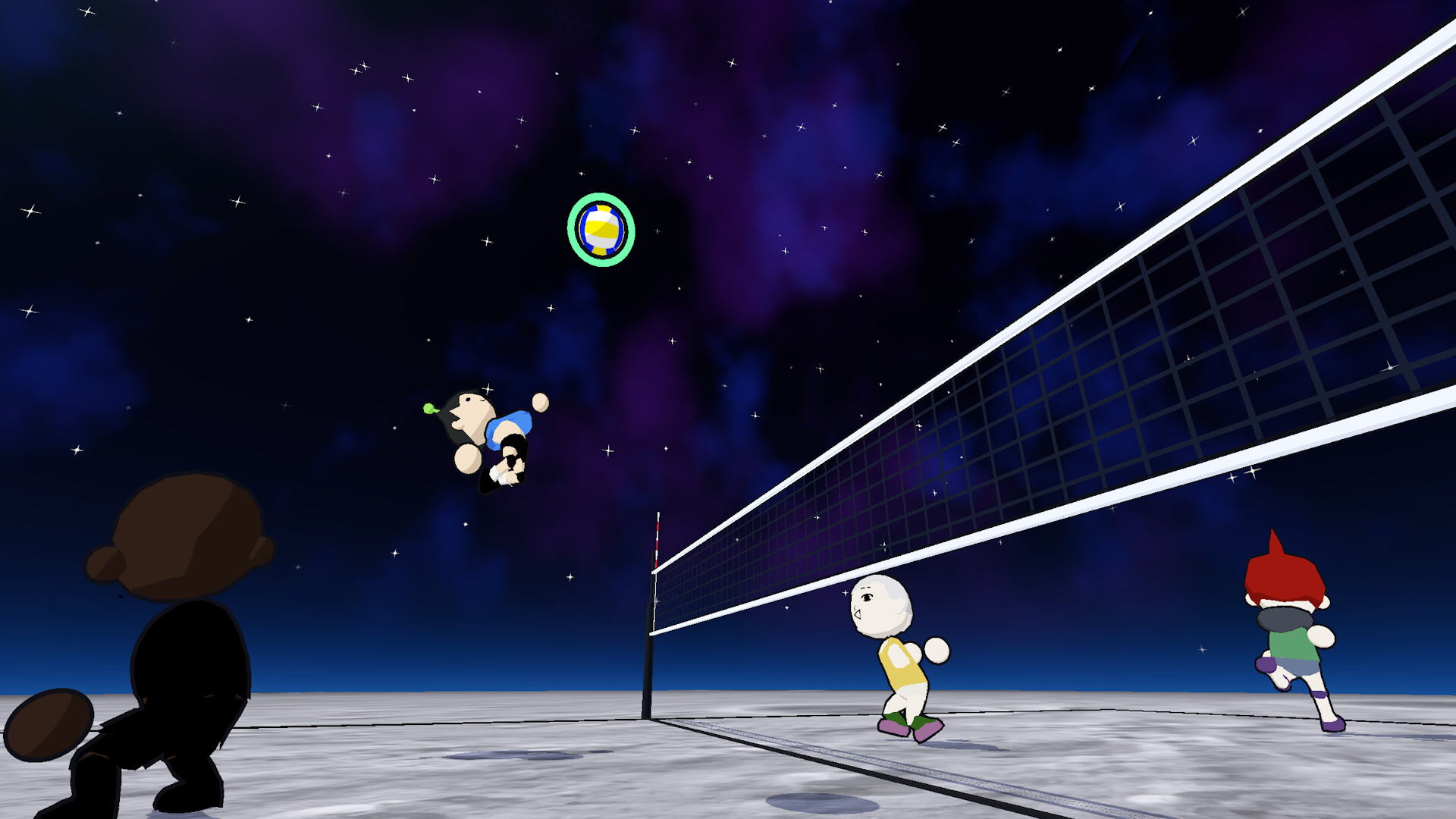
Defense wins long rallies in Just Volleyball. A clean spike looks great, but the players who climb lobbies are the ones who dig tips, stuff power swings, and still have stamina for the next point. This guide covers blocking at the net and diving on the ground—the two right-mouse contexts that decide whether a rally dies or resets. Pair it with Controls for the full bind map and Beginner Tips for match habits.
The shared right-mouse rule
Right-click meaning depends on state:
| State | Right mouse does |
|---|---|
| Grounded | Dive toward the ball’s landing area |
| Airborne near the net | Block |
That dual mapping is easy to forget under pressure. If you jump too early away from the tape, a mid-air right-click may not give you a useful block. If you stay grounded when a tip is already past you, diving late burns stamina without a dig. Read the ball’s arc first, then choose jump-block or ground-dive.
How to block
- Track the setter’s release and the hitter’s approach.
- Move to the net seam you want to take away (line, angle, or middle).
- Jump with Space so your hands meet the ball near its peak.
- Press right mouse while airborne at the net to contest.
- Keep your cursor honest—blocks still interact with aim habits from the rest of the kit, so do not stare at your own back court.
Blocks do not count as a team contact under the standard three-touch structure. A stuff block that drops on their side is a free point. A soft block that pops up on your side resets the rally without burning your third touch—perfect for turning defense into a quick set and spike.
Soft block versus stuff
- Stuff: Hands penetrate the swing path and the ball dies immediately on their court. Best when you front the hitter’s shoulder and jump with them, not before them.
- Soft block: You touch the ball enough to slow or redirect it into a diggable arc for your teammates. Soft blocks are wins in 3v3–6v6 when a full stuff is unlikely.
Do not cross into the opponent’s court. Net contact is allowed; center-line penetration is still a fault.
Blocking by mode size
- 1v1: You are often both blocker and digger. Prefer early reads over heroic leaps that leave the entire floor empty.
- 2v2: One player can commit to the tape while the other covers tip and deep seam. Call who has line.
- 3v3–6v6: Form a readable wall. Middles help on quicks; outsides take away the sharp angle. After every block attempt, turn and cover the tip zone behind you—many points die on the soft dump that follows a missed stuff.
How to dive
- Read the landing marker or ball drop early.
- Face the ball with strafe (Shift) when you can; sprint (Ctrl / double-tap W) only if the distance demands it.
- Press right mouse while grounded to dive toward the landing area.
- Aim the recovery bump with the cursor toward a teammate, not blindly skyward.
Expect about forty percent stamina cost per dive. On an empty bar, a dive leaves you down roughly two seconds—long enough to gift a free tip behind you. Treat diving as a budgeted emergency tool, not a movement style.
Dive discipline checklist
- Dive when a controlled upright receive is impossible.
- Skip the dive when a teammate is already under the ball.
- Never chain sprint → max jump → dive on empty stamina in the same rally unless the point is match point and you accept the risk.
- After a successful dig, get up and reclaim your role before the next swing.
Covering after the touch
Great defense is a chain:
- Block or dig.
- Immediate cover of the tip / roll shot zone.
- Transition to a playable set.
- Finish or reset.
If your block is tooled off the hands, someone must already be moving to the deflection landing spot. If your dive saves a rocket serve, the next touch should be a calm set, not another panic dive. Practice that sequence in offline bots before you trust it in public multiplayer lobbies.
Common mistakes
- Jumping to block every swing. Hitters tip over early jumpers. Mix jump timing and keep a digger behind.
- Diving on every short ball. Upright receives conserve stamina and keep you in the next play.
- Blocking with empty hands facing the sky. Front the shoulder and press into the swing path.
- Ignoring tip cover after a big leap. Soft dumps punish highlight seekers.
- Sprinting into the dive. Arrive early, plant, then dive only if still short.
Practice plan (15 minutes)
- Minutes 0–5: Bot match, no diving allowed—only upright receives and disciplined blocks.
- Minutes 5–10: Allow three dives per set; call each one out loud so the cost feels real.
- Minutes 10–15: 2v2 with a friend or bots focused on tip cover after every block attempt.
Return to the Guides Hub for serve and spike pages when your defense starts creating free transition swings. Check Updates if a patch retunes dive stamina or net collision, and confirm binds on Settings and Keybinds whenever you create a new profile.
Blocking and diving are not flashy until they steal a side-out. Budget stamina, front the hitter, cover the tip, and let your offense start from a live ball instead of a hopeful swing.
Frequently Asked Questions
Quick answers for the court.
How do I block in Just Volleyball?
Jump near the net and press right mouse while airborne. Time the jump with the hitter, front their shoulder, and avoid crossing into their court.
Does a block count as one of my three team touches?
No. Under standard rules a block does not consume a team contact, so a soft block can reset your offense cleanly.
Why do I get stuck after diving?
Diving costs about forty percent stamina. On an empty bar you stay down roughly two seconds. Conserve the bar for true emergencies.
Should I dive or receive upright?
Prefer upright receives whenever you can plant under the ball. Dive only when the landing point is otherwise unreachable.
What should I do after a block attempt?
Immediately cover the tip and deflection zones, then transition into a settable ball for your attackers.