just volleyball Serve Guide: Every Type
Standing, jump, curve, float, power, and rocket serves with aim, timing, and stamina discipline.
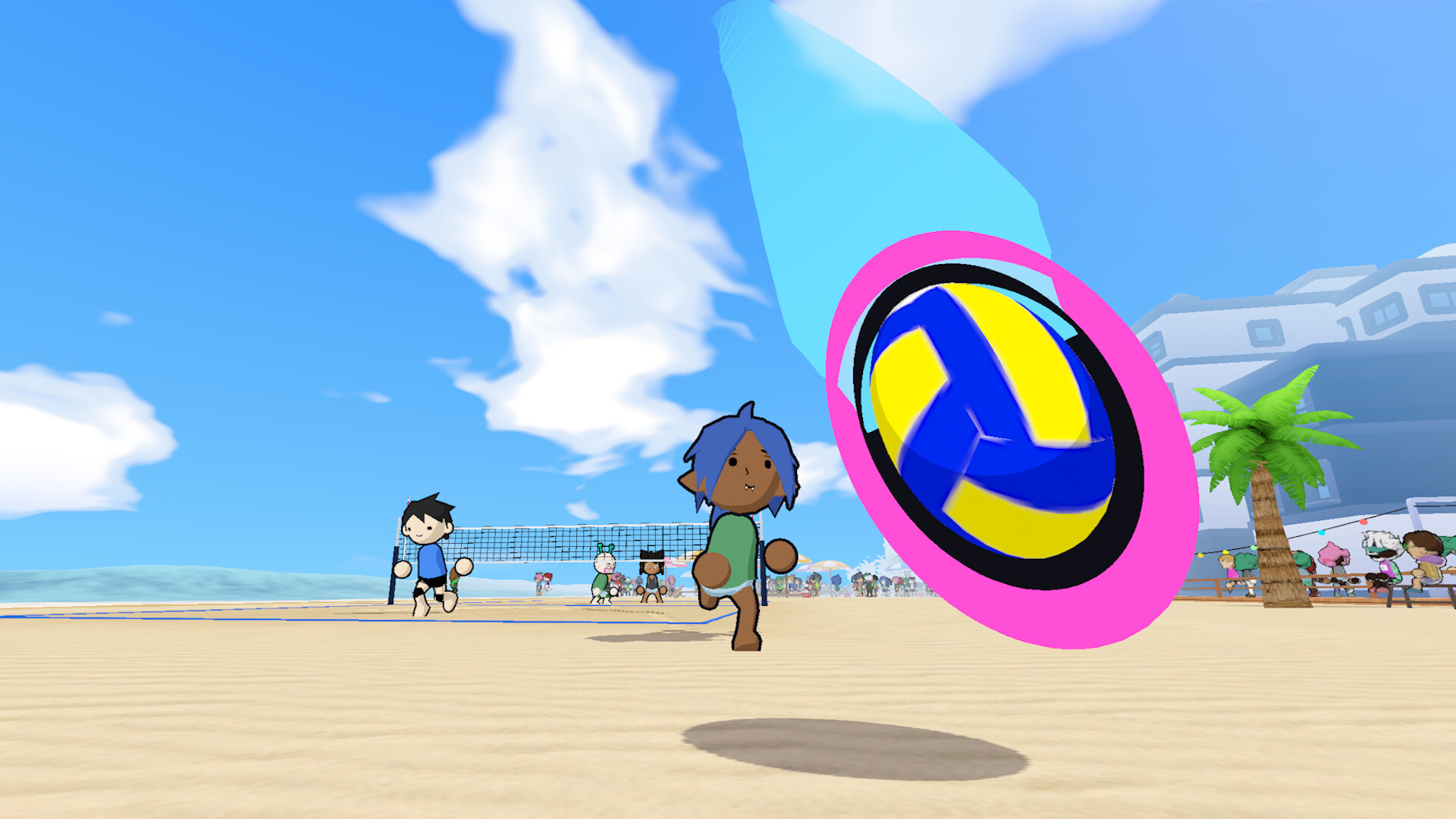
Serving is the only phase where you fully control the first contact under no defensive pressure. In Just Volleyball, a lazy serve gifts free offense; a patterned serve steals side-outs. This guide covers every practical serve type—standing, jump, curve, float, power, and faster rocket-style tech—plus aiming rules and stamina costs. Refresh Controls if you still mix up toss and hit clicks, and skim Getting Started for three-touch context after the ball crosses.
Universal serve rules
- Stand inside the highlighted service area, not inside the court rectangle.
- Left-click to toss. Cursor close to your player sends the ball mostly upward; cursor farther tosses toward that landing point.
- Move the cursor onto the opponent’s court before the hitting click. Leaving aim on your half dumps the ball short or out.
- Second left-click completes the serve: grounded for standing, airborne after a jump for jump variants.
- Movement keys during airborne contact reshape the ball: A/D curve, S float, W power flavors depending on the recipe.
Miss the service zone and you fault before the rally begins. Miss the aim window and you donate an easy receive. Practice toss height consistency before you chase maximum pace.
Standing serve
The standing serve is your accuracy trainer and your safe option when stamina is low or the match is tight.
How: Toss with left-click, aim deep or at a seam, left-click again while still on the ground. Do not jump.
When to use: First matches, rainy aim days, or after a long rally when you cannot afford a mistimed jump toss. Standing serves arc higher and travel slower, which sounds weak until you realize receivers who cheat forward get burned by deep corners, and receivers who sit deep eat short soft sits if you mix targets.
Drill ten standing serves to each deep corner, then ten short serves just over the net. Cursor discipline matters more than animation flair.
Jump serve
The jump serve adds height, steeper angle, and pace.
How: Toss, optionally charge Space for a higher leap, jump, aim across, left-click at the peak while airborne. Contacting higher usually improves both power potential and downward angle.
When to use: Default pressure serve once your toss is stable. Jump serves force earlier movement from the receiving team and pair well with later curve or float modifiers.
Common failure: tossing too far forward so you chase the ball and swipe late, or jumping without moving the cursor across the net. Fix toss first; speed second.
Curve jump serve (A / D)
Curve serves sell a false landing point.
How: Perform a jump serve. At contact, hold A to bend left or D to bend right while the hit registers. The visible reticle and the final path intentionally disagree enough to punish planted receivers.
When to use: Against players who freeze under the cursor or who start their receive animation early. Alternate A and D so they cannot shade one sideline forever.
Start with mild curves. Over-holding can sail the ball wide until you learn the strength of each direction on your chosen court.
Float jump serve (hold S)
Float serves reduce tidy spin so the ball wanders or drops late.
How: Jump serve as usual, and hold S through the hitting contact. Developer-facing advice during playtests described back tilt during midair contact; on keyboard that maps to the S modifier at hit time.
When to use: When opponents line up perfect platform receives on paced jump serves. A float that dies short of the expected spot creates free overpasses or awkward bumps.
Float is a placement and timing weapon, not a pure power weapon. Aim seams between players in 2v2 and 3v3; in 6v6 aim the gap between primary passer and seam helper.
Power serve
Power serves prioritize speed through timing and the W modifier.
How: Toss high enough to hit at a strong contact window, jump, and drive the hit while holding W so the airborne contact gains pace even without a huge run-up. Some players also use an approach: toss slightly ahead, run, jump, and hit a charged left-click without extra lateral modifiers for a straight heavy ball.
When to use: Side-out pressure when the receiving team’s first contact is already shaky. Do not chain power serves every rotation—shared stamina with sprint and dive means a missed follow-up dive can erase the free point you just earned.
Rocket / fast serve tech
Rocket or fast-serve tech is the high-end extension of power and approach timing: maximize run-up or W power, contact at the optimal height, and keep the cursor honest so the ball does not spray. Treat it as a specialty pitch.
How to train safely:
- Land ten clean jump serves with no modifiers.
- Add W power until pace rises without missing long.
- Add a short approach only when toss placement is repeatable.
- Introduce A/D or S only after pace is stable—mixing curve and max power too early creates wide faults.
If your “rocket” attempt faults more than it aces in a session, regress to ordinary jump power serves. Consistency beats highlight speed in ranked or party queues alike.
Nuke / fast serve tech
Community “nuke” or fast-serve tech is a low-toss sprint variant that prioritizes pace over height. Typical recipe players share after the demo:
- Toss with a low charge (about 20–40 percent), not a max rainbow.
- Create just enough space to sprint (Ctrl or double-tap W) into the ball.
- Jump late so you meet the ball on the way down.
- Spike on the yellow contact indicator for clean timing and speed.
- Keep the cursor honest on the opponent’s court so the extra pace does not sail long.
Nuke serves punish planted receivers but punish you harder when mistimed—stamina drains and faults spike. Learn it after ordinary jump and power serves feel stable, then compare placements on the Serve Techniques tier page. Habit reminders for when not to spam it live in Beginner Tips.
Aiming targets that win free points
- Deep corners punish receivers who cheat middle.
- Short just-over-net serves punish deep campers and create awkward bump angles.
- Seams between partners in 2v2 force hesitation on whose ball it is.
- At the weaker passer once you scout who shanks under pressure.
- Away from the setter so even a clean receive leaves a tough second contact.
In larger modes through 6v6, serve the rotation’s weakest platform, not the flashiest opponent. Watch Multiplayer for lobby formats where you can agree on serve practice before a session.
Stamina and serve selection
Jump power and rocket attempts tax the same pool as sprint and dive. A practical rotation plan:
- Point from ahead: mix float and curve; conserve stamina
- Need a side-out: one power or rocket attempt, then return to jump or standing
- After a long diving rally: standing or soft jump serve only
Empty-bar hero serves followed by an empty-bar dive knockdown are a classic way to donate two points in thirty seconds.
Practice plan (20 minutes)
- Minutes 0–5: Standing serves, corners only
- Minutes 5–10: Jump serves, no modifiers, focus on peak contact
- Minutes 10–14: Alternate A and D curves
- Minutes 14–17: Float with hold S
- Minutes 17–20: Five power serves, then cool down with standing serves
Record which target zones opponents miss in your next live match and rewrite the plan around those seams. Pair serve practice with receive drills from Getting Started so you also know how it feels to face your own serves.
After the serve: first defense
A great serve still needs a first defensive read. Be ready to take the free ball if they overpass. Communicate who has the tip if they dump short. If they cleanly receive, drop into your normal three-contact offense—receive, set, spike—as taught in How to Spike. Browse the Guides Hub when you want the full tutorial map, and check Updates if a patch retunes serve speed or toss windows.
Master standing and jump first. Add curve and float for deception. Unlock power and rocket only when your fault rate stays low. That order wins more Just Volleyball matches than chasing max speed on day one.
Frequently Asked Questions
Quick answers for the court.
What is the easiest serve for beginners?
The standing serve. Toss, aim across the net, and left-click again while grounded. Learn corners and short targets before adding jump serves.
How do I curve or float a serve?
Use a jump serve. Hold A or D at contact to curve left or right. Hold S at contact for float behavior. Keep the cursor on the opponent’s court either way.
Why do my jump serves hit the net or go long?
Usually toss placement or late contact. Toss to a repeatable height, jump earlier, and click near the peak. Confirm the cursor is fully across the net before contact.
Should I power serve every point?
No. Power and rocket serves share stamina with sprint and dive. Mix float and curve, and save heavy serves for side-out moments.
Can I serve from inside the court?
No. Serve only from the highlighted service area outside the court. Starting inside is a fault.